
Discipline Is the Difference Between Vision and Impact

In one of his most enduring messages on leadership, President Barack Obama makes a simple but demanding point: real progress doesn’t come from bursts of inspiration—it comes from discipline. The ability to stay focused, to do the work consistently, and to align your actions with your long-term goals is what separates intention from impact.

For nonprofit founders and organizational leaders, this isn’t just personal advice but an operating principle. The challenges facing our communities are too complex, and the stakes too high, for scattered effort or reactive leadership. Discipline shows up in how we prioritize, how we structure teams, and how we execute, day in and day out.

At BRIDGE, we know that strategic and operational discipline are what it takes to allow a network of organizations to move as one. Together with partners like Texas Future Project, Texas for All, Texas Youth Power Alliance, The Pipeline Initiative, Everybody Votes, and many others across the state, BRIDGE and our 40 alumni organizations are building people power.

What Discipline Looks Like in Practice

Discipline in leadership is not about rigidity but rather clarity and consistency. The strongest organizations are the ones that make intentional choices about where to focus and then follow through.

That starts with staying relentlessly focused on what moves the mission. In a crowded environment, it’s easy to get pulled in multiple directions. Disciplined leaders align staff time, programming, and partnerships around the activities that directly drive outcomes. At BRIDGE, that focus is reflected in clear, shared targets: voter registration, conversations, events, and leadership development. Every action ties back to impact.

It also requires leaders to define roles and responsibilities with precision. Ambiguity slows organizations down. High-performing teams know exactly who owns what, where collaboration is required, and how decisions get made. For executive directors and founders, this means clarifying ownership, setting expectations, and building accountability systems that enable speed.

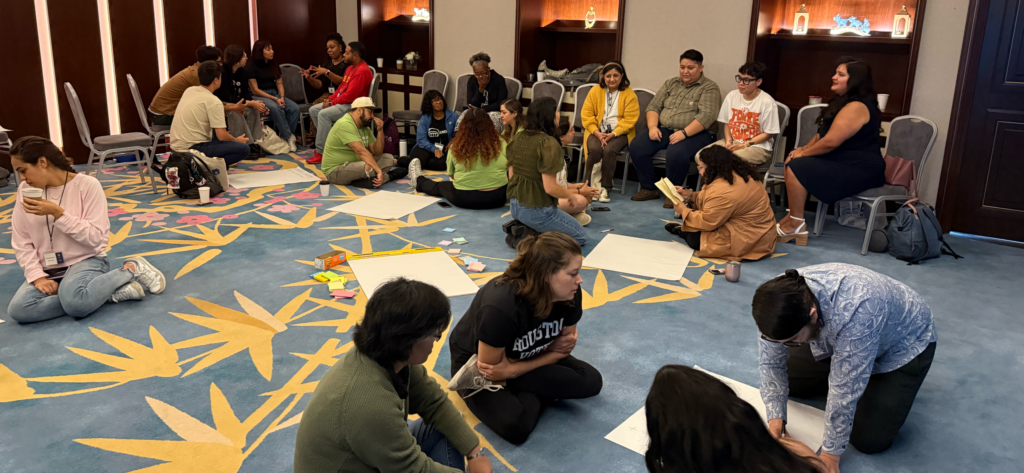
Just as important is the commitment to invest in team strength, not just individual performance. Sustainable impact doesn’t come from a few standout staff members. It comes from aligned, well-supported teams. That means training consistently, building leadership at every level, and creating systems that outlast any one person.

From Individual Discipline to Collective Action

Discipline becomes even more powerful when it extends beyond a single organization.

The future of civic engagement, especially in a state as large and diverse as Texas, depends on organizations that can build systems that scale collective action. No single group can meet the moment alone. But when organizations share data, align on goals, and coordinate their efforts, their impact multiplies.

That’s what BRIDGE Collective is designed to do. It turns individual organizational strength into coordinated, statewide momentum where local efforts contribute to a much larger, shared outcome.

A critical part of that discipline is the ability to measure what matters —and use it to drive strategy. Metrics aren’t just for reporting; they are tools for leadership. The most effective organizations define clear indicators of success, track them consistently, and adjust their approach based on what the data shows. This kind of feedback loop is what allows a network to improve in real time and deliver results at scale.

What This Means for Texas in 2026

This year, BRIDGE Collective is translating disciplined leadership and coordinated action into measurable impact across the state. Together, the network is working toward:

  • Registering 36,450 voters
  • Holding 116,000 in-person civic engagement conversations
  • Hosting 383 events across Texas
  • Training 1,238 leaders and volunteers
 

These goals represent more than activity. hey reflect a strategy to strengthen civic participation, expand leadership pipelines, and build durable infrastructure for community engagement across Texas.

For founders, the takeaway is clear: disciplined leadership via focused priorities, clear roles, strong teams, and data-driven strategy is what turns vision into outcomes.

For funders, it’s evidence that investment in aligned networks like BRIDGE Collective leads to scalable, measurable impact.

And for Texas, it means progress isn’t left to chance. It’s built deliberately, collectively, and with discipline.

Picture of H. Drew Galloway, Executive Director and Founder

H. Drew Galloway, Executive Director and Founder

H. Drew Galloway catalyzes change, infusing grassroots growth with strategic direction at BRIDGE. Formerly leading MOVE Texas, his expertise lies in voter engagement and nurturing progressive leadership across Texas.

Democracy Doesn’t Happen Every November: Why Year-Round Organizing Matters

Every election cycle, communities get flooded with reminders to register, vote, and participate. Then those efforts disappear almost as quickly as they showed up.

Democracy doesn’t start on Election Day, and it doesn’t end there either.

Strong civic participation is built through relationships, trust, and consistent engagement. The organizations that create lasting change aren’t the ones who mobilize communities every two or four years — they’re the ones who show up every month, listening to residents, developing leaders, and creating real pathways for people to participate in civic life long before a ballot shows up in front of them.

Read More »