

In a Time of Crisis: Rest, Renewal, and Returning Stronger

In movement work, urgency is constant. Crises overlap, deadlines pile up, and leaders often tell themselves: I’ll rest when things slow down. But as we know, things rarely slow. For nonprofit leaders, organizers, and activists, the pressure to stay “always on” is both cultural and systemic—and it takes a real toll.

That’s why rest matters. Not as a luxury, not as something to be earned at the end of the fight, but as a core part of sustainable leadership. At BRIDGE, we talk often about resilience, imagination, and long-term change. None of that is possible without rest.

This summer, I finally put those values into practice. What follows is both a personal story about learning to step away, and a reminder that rest is not separate from the work of social change—it is essential to it.

My Battle with Rest

My relationship with rest has always been complicated.

As a baby, I refused to sleep—my mom would doze off trying to get me down, only to wake up to my wide-eyed stare. As a teenager, I was both a night owl and an early riser, doing homework late into the night and waking early for music practice.

Later, in the restaurant and retail industries, long hours were rewarded. Overwork became a habit. Vacations became rare. In my twenties and thirties, I was averaging only three or four hours of sleep a night, never realizing that my ADHD was a major factor.

Only in the last 18 months—through medication, exercise, removing alcohol and caffeine, and building a sleep routine—have I found a rhythm of 7–8 hours a night. And the difference is life-changing.

Learning How to Vacation

Like many in movement spaces, I used to believe rest would come later—after the next campaign, after the next deadline. But movement urgency never slows, so I had to learn how to take intentional time away.

What I discovered is that rest looks different for everyone. A week on a beach with no agenda? A nightmare for me. The lack of structure left me restless and tempted to check emails. Instead, I found that I thrive with “learning vacations”—time away that blends rest with purposeful structure.

From meditation retreats to Scottish music camps, I began to see vacation not as absence but as renewal. And each time I practiced stepping away, I got better at unplugging fully from the work.

Bagpipes and Bonsai

This summer, I set out on my longest and most challenging vacation yet: two weeks abroad, completely unplugged, devoted to two of my deepest passions—Scottish bagpipes and bonsai.

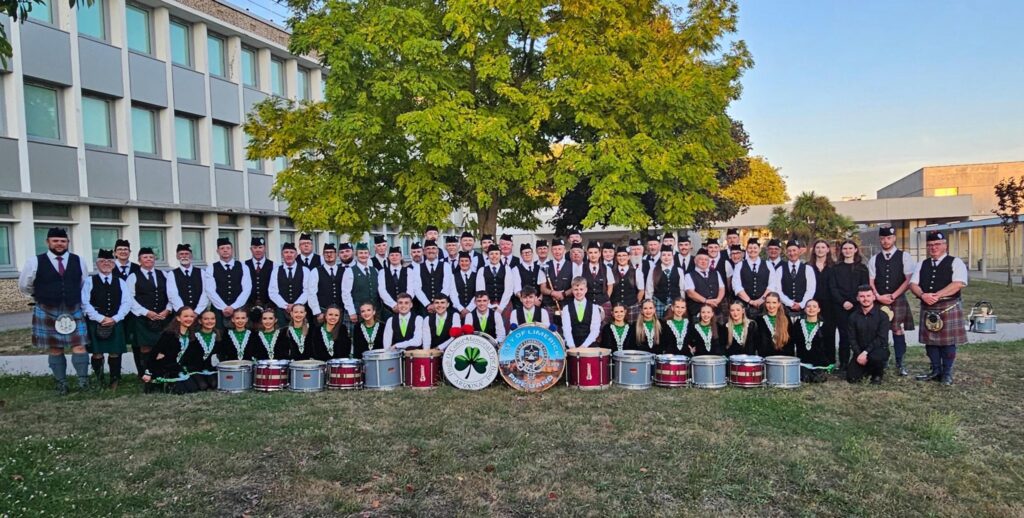
Bagpipes have been part of my life since I was 14. Today, I compete regularly, play with two pipe bands, and founded an annual Texas piobaireachd workshop. This year, I joined the Hugh O’Conor Memorial Pipe Band (HOCMPB) from Phoenix for a once-in-a-lifetime opportunity: representing the United States at the Festival Interceltique de Lorient in Brittany, France, one of the largest Celtic festivals in the world.

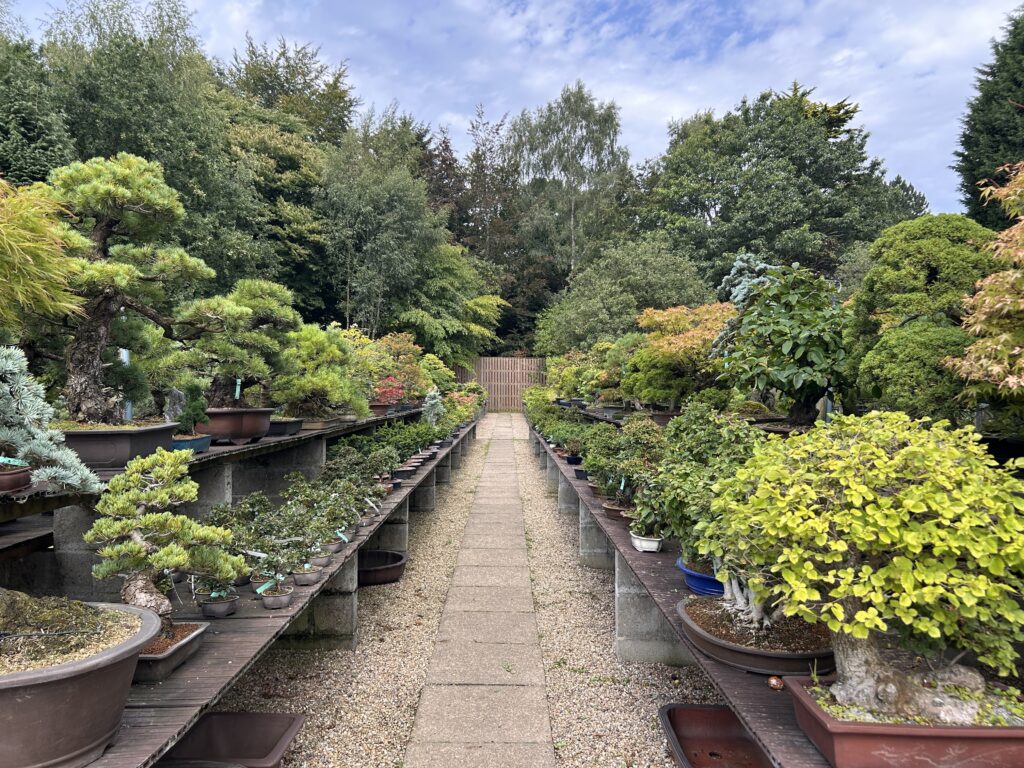
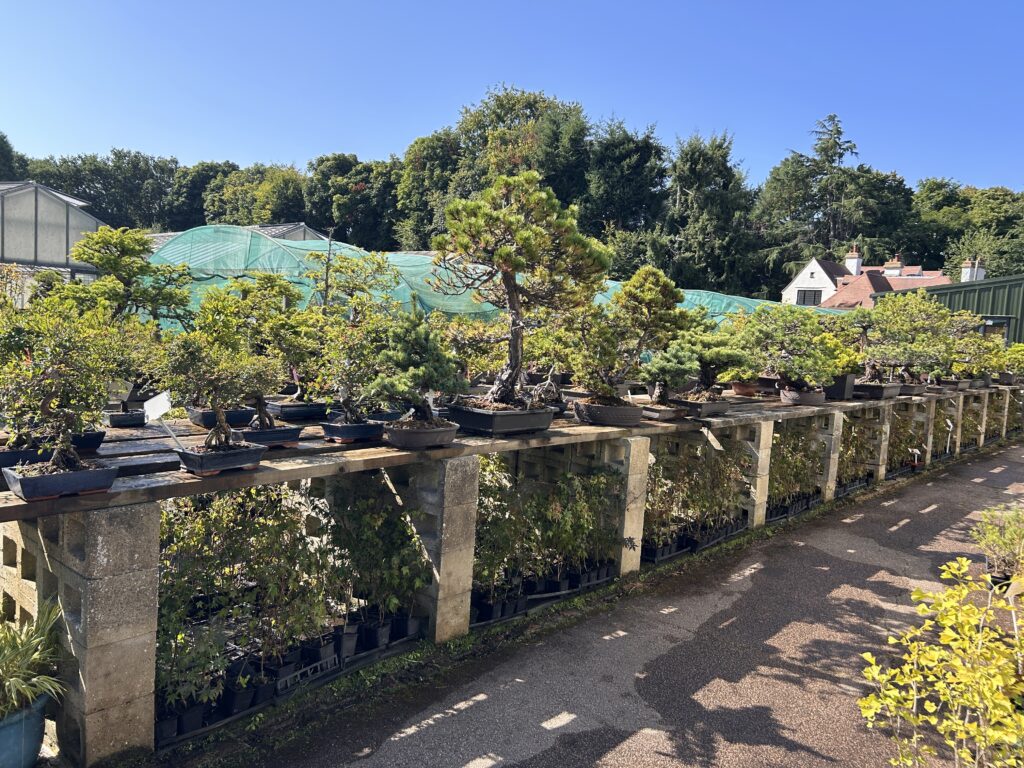
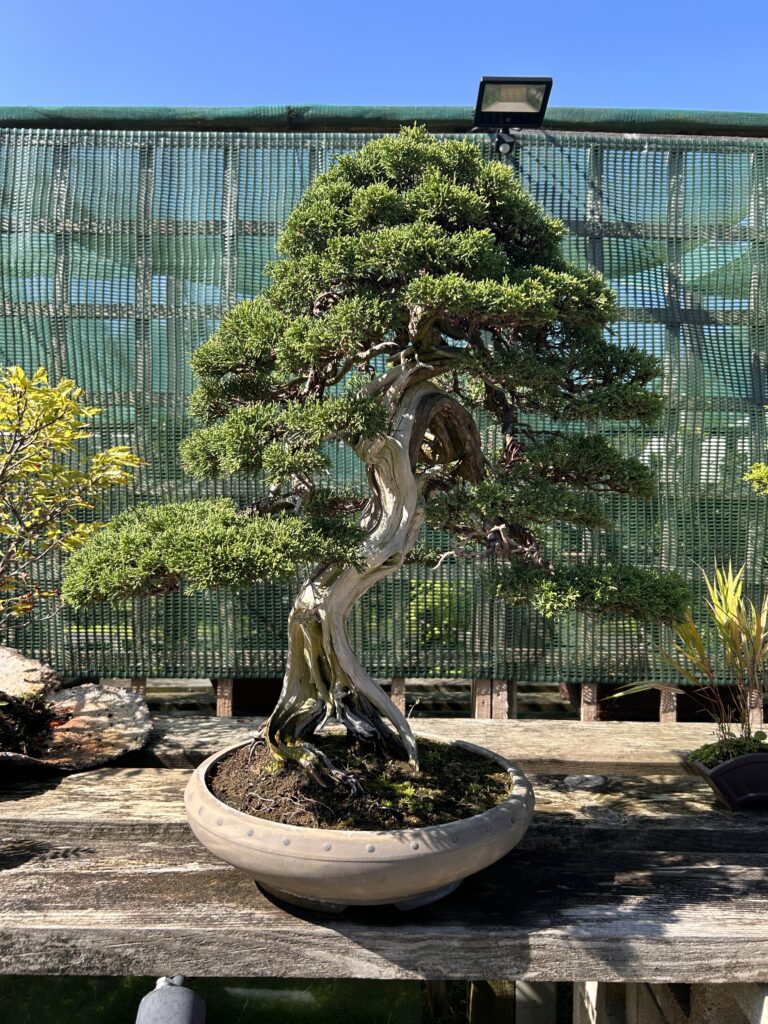
Bonsai, on the other hand, has been my grounding practice in recent years. It has taught me patience, acceptance, and artistry. Earlier this year, I expanded my practice into High Water Bonsai, a startup nursery in San Antonio with nearly 2,000 trees in training. My trip would also take me to two of England’s finest bonsai nurseries to learn directly from masters.

This was not just a vacation; it was an intentional experiment. Could I truly step away? Could I allow my team at BRIDGE to carry forward without me? I left my phone on airplane mode, empowered my staff to make decisions, and gave myself over to the journey.

France: Music, Culture, and Connection

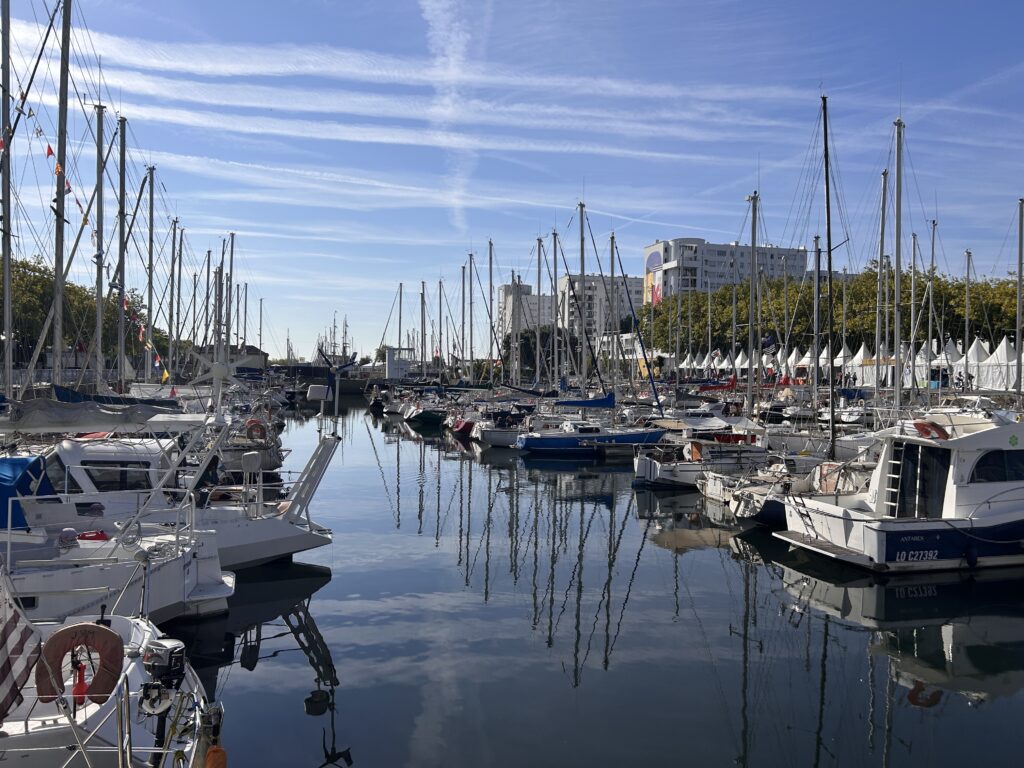
Lorient, a small port city in Brittany, welcomed nearly a million visitors for the festival. The moment we arrived, we were swept up in its rhythm: the smell of fresh croissants and crepes, the colors of open-air markets, the slower pace of shared meals, and, everywhere, the sound of music.

Over ten days, our band performed 25 times—from street parades to stadium shows, from intimate concerts to the grand opening ceremony. Crowds stopped us constantly, asking for “photo, photo,” excited to meet le pipe band américain.

One of the highlights was the Grande Parade, a two-mile procession of dancers, musicians, and artists from across the Celtic world. Marching into the stadium with thousands cheering reminded me of the joy that comes from collective celebration.

At night, I performed in Horizons Celtique, a three-hour showcase of all eight Celtic nations. Sharing the stage with artists from Brittany, Ireland, Scotland, Wales, and beyond was an honor—and a reminder of how culture and tradition keep communities resilient.

And in the quieter moments, I heard Breton bagad bands—mass ensembles of pipes, drums, and bombards—whose music was both unfamiliar and electrifying. Even now, I can still hear their rhythms echoing in my mind.

England: Bonsai Lessons and Legacy

After France, I boarded a high-speed train to London. I stayed in my old Paddington neighborhood, in the very building I lived in as a teenager. Walking those familiar streets was its own kind of renewal.

But the heart of my time in England was bonsai.

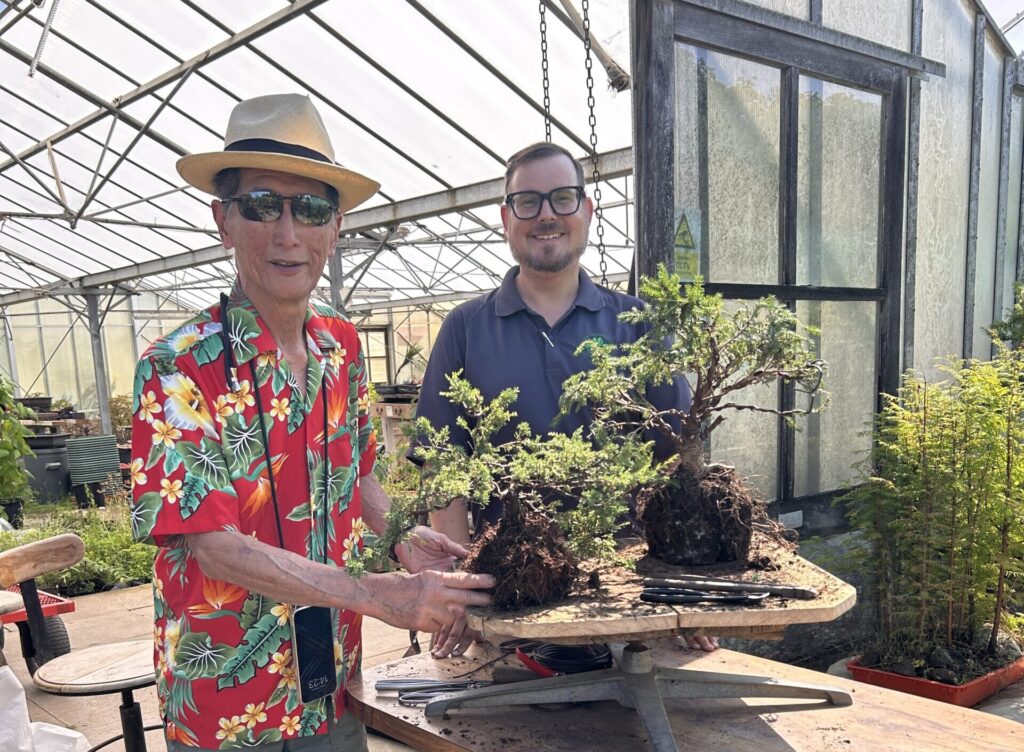
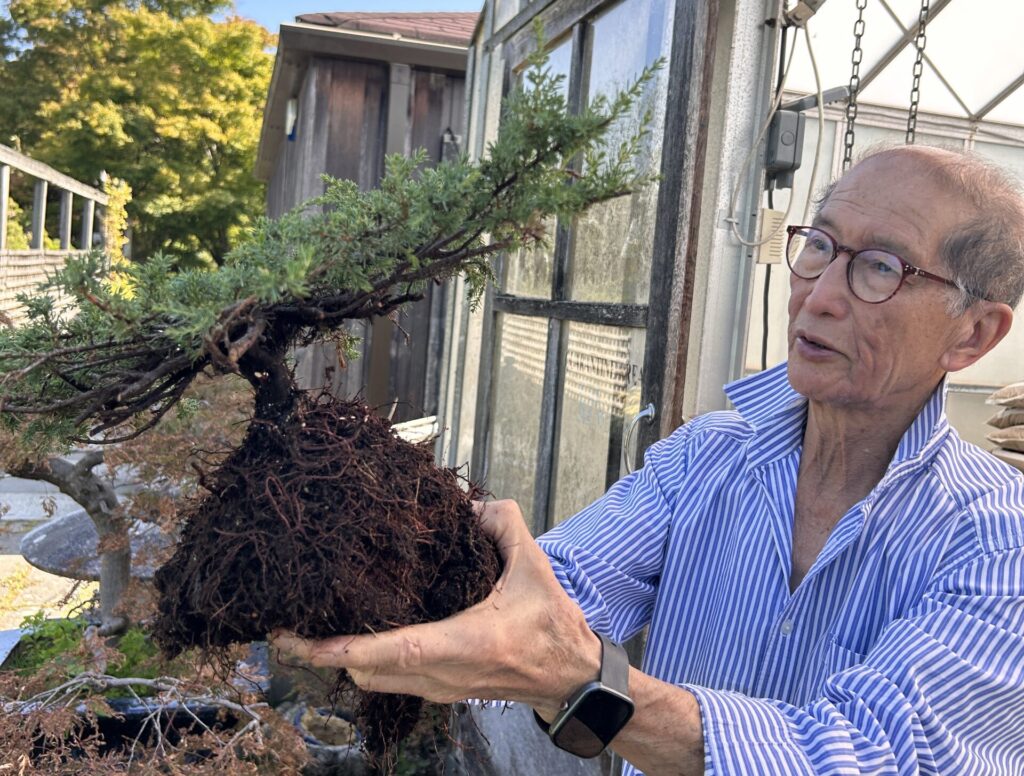
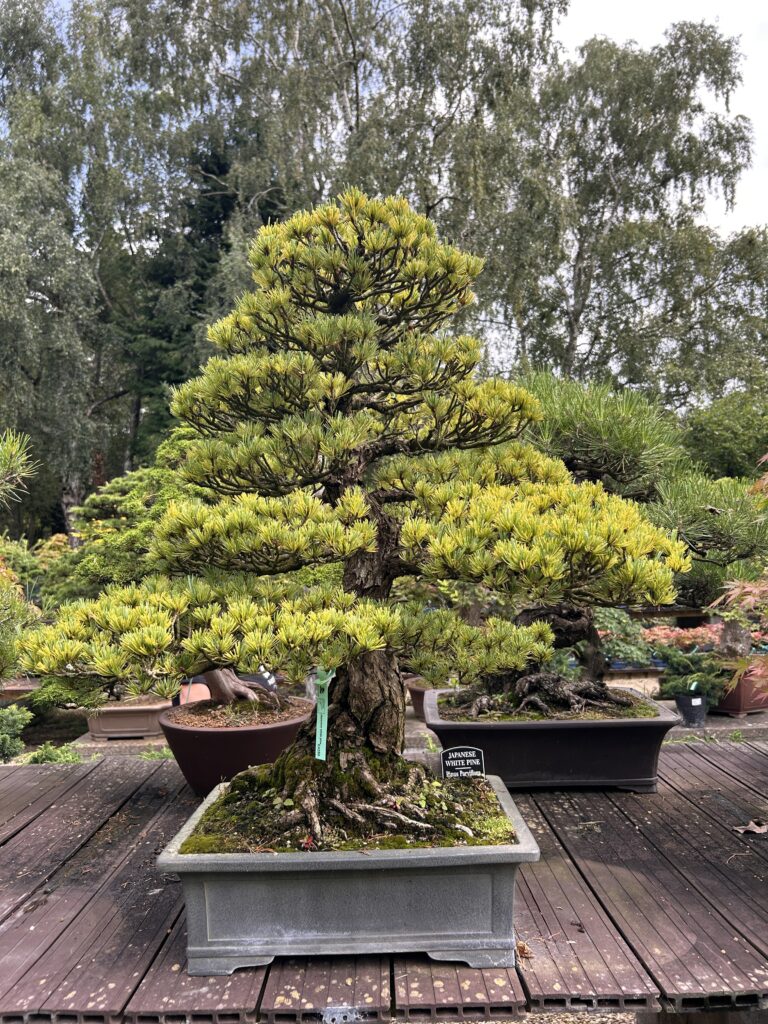
At Heron’s Bonsai, Peter Chan generously welcomed me into his nursery, walking me past trees that had been cultivated for decades. I saw a Japanese black pine valued at $40,000. Over the course of a day, we styled junipers together and talked about the patience required to grow trees that would outlive us both.

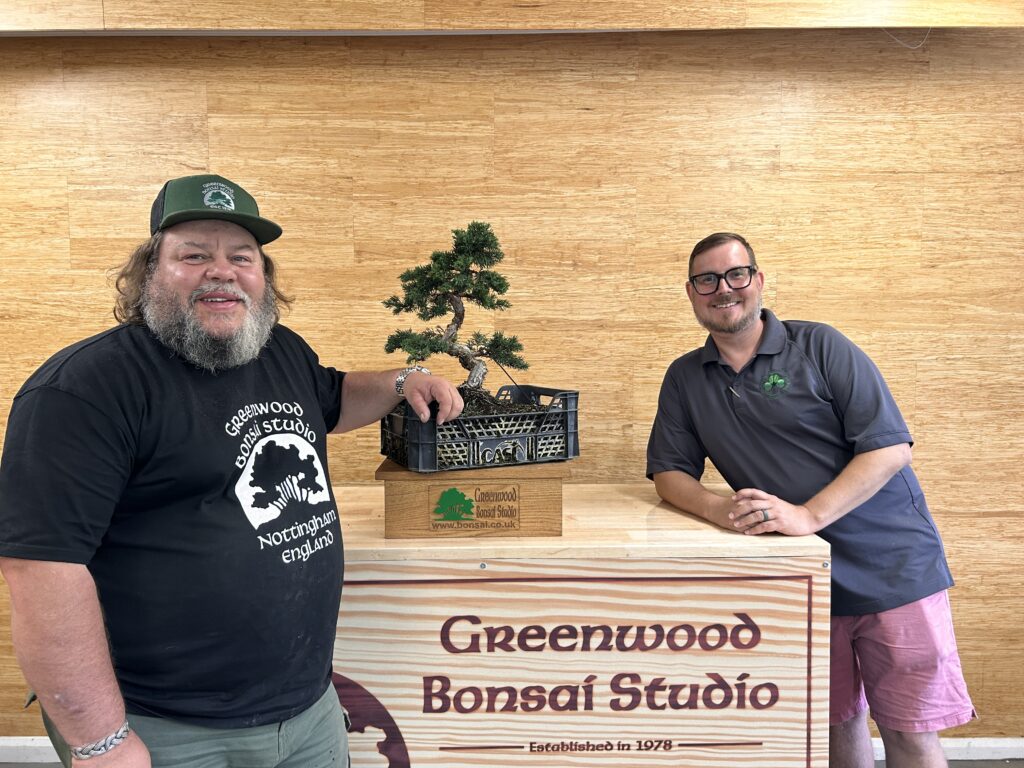
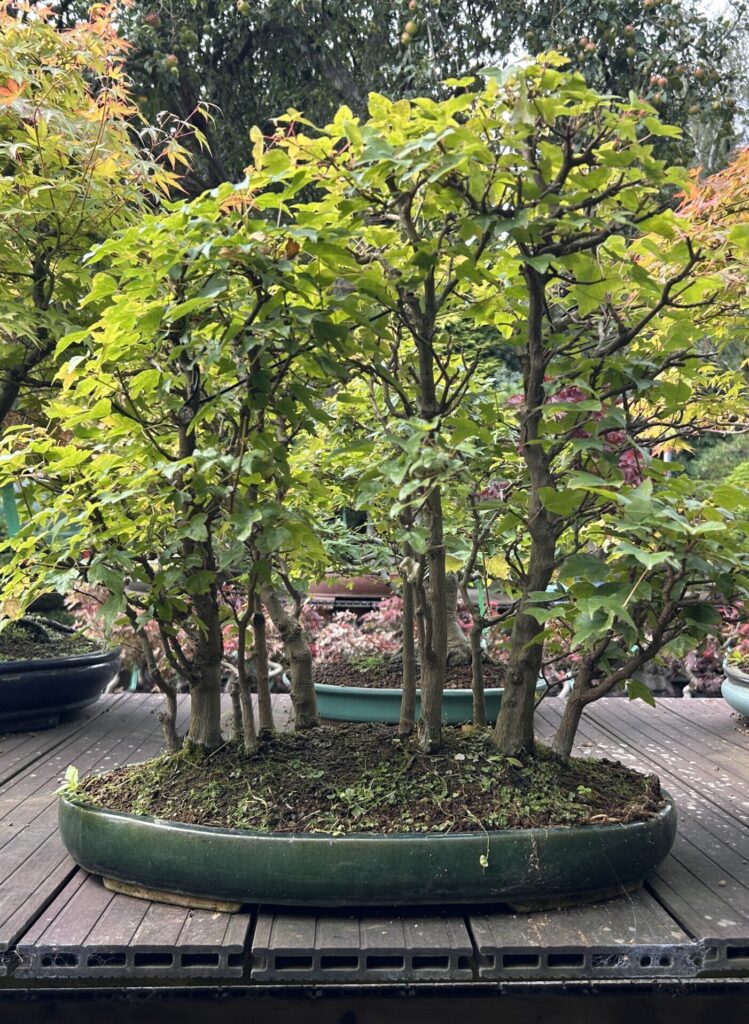
In Nottingham, at Greenwood Bonsai Studio, Colin Tomlinson shared tea and stories about carrying forward his father’s legacy. His maple forests glowed with the first hints of autumn. Together we worked on a kishu juniper, and our conversation moved seamlessly from wiring branches to the future of the bonsai business.

These visits were more than lessons in technique. They were reminders of perspective. Bonsai demands time—decades, sometimes centuries. For someone rooted in the urgent world of organizing, bonsai offers a counterbalance: growth at its own pace.

Why Rest Matters in Movement Work

This journey was more than a vacation. It was a lesson.

  • Rest creates resilience. After two weeks away, I came back sharper, calmer, and more able to hold complexity.
  • Rest sparks creativity. Watching dancers in Lorient and wiring junipers in Nottingham reminded me that leadership is also artistry and imagination.
  • Rest models sustainability. By stepping away fully, I showed my team—and myself—that movements can thrive when leaders take time to renew.

Refreshed and Ready

On my first day back at BRIDGE, I carried more than souvenirs. I carried clarity. Our movements don’t just require relentless action; they require sustainable leadership.

To my fellow organizers and leaders:

  • Prioritize rest as seriously as strategy.
  • Plan the vacation that brings you joy.
  • Empower your team to carry forward without you.
  • Make sure your staff also have the chance to completely step away.

Because progress isn’t a sprint—it’s a marathon. And in times of crisis, endurance is everything. Endurance requires rest.

Democracy Doesn’t Happen Every November: Why Year-Round Organizing Matters

Every election cycle, communities get flooded with reminders to register, vote, and participate. Then those efforts disappear almost as quickly as they showed up.

Democracy doesn’t start on Election Day, and it doesn’t end there either.

Strong civic participation is built through relationships, trust, and consistent engagement. The organizations that create lasting change aren’t the ones who mobilize communities every two or four years — they’re the ones who show up every month, listening to residents, developing leaders, and creating real pathways for people to participate in civic life long before a ballot shows up in front of them.
Read More »

Discipline Is the Difference Between Vision and Impact

In one of his most enduring messages on leadership, President Barack Obama makes a simple but demanding point: real progress doesn’t come from bursts of inspiration—it comes from discipline. The ability to stay focused, to do the work consistently, and to align your actions with your long-term goals is what separates intention from impact.
For nonprofit founders and organizational leaders, this isn’t just personal advice but an operating principle. The challenges facing our communities are too complex, and the stakes too high, for scattered effort or reactive leadership. Discipline shows up in how we prioritize, how we structure teams, and how we execute, day in and day out.
At BRIDGE, we know that strategic and operational discipline are what it takes to allow a network of organizations to move as one. Together with partners like Texas Future Project, Texas for All, Texas Youth Power Alliance, The Pipeline Initiative, Everybody Votes, and many others across the state, BRIDGE and our 40 alumni organizations are building people power.

Read More »